Segmentation means sending each subscriber the products and messages that fit what you know about them. In November 2026 it matters more than when this post first ran. Since February 2024, Gmail and Yahoo have required bulk senders to keep reported spam rates below 0.3%, and Microsoft’s Outlook.com added its own bulk sender rules on May 5, 2025, so irrelevant emails now cost you inbox placement as well as sales. Apple Mail Privacy Protection also inflates open rates, which means you should segment on clicks, purchases and stated preferences rather than opens.
The email that missed
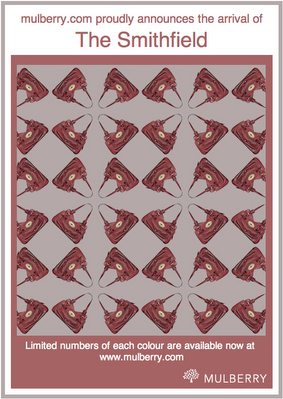
One morning, a man arrived at work looking troubled. He had just received a marketing email and forwarded it to a colleague with one blunt complaint: “I don’t want a purse.”
The email came from Mulberry, a British design company best known for well-made luxury bags for men and women.

Why it was a missed opportunity
This was another missed chance to segment a list. A man might well buy that purse for a girlfriend or wife. But at more than $1,400 at the time, he had better be sure she liked the bag first. Mulberry has since changed its pricing strategy. In November 2024, new CEO Andrea Baldo told Bloomberg the brand had been “asking the customer for a little bit too much” and set a goal of selling most of its handbags for less than £1,095, the UK price of the flagship Bayswater. In dollars the Bayswater still costs more than it did back then: Mulberry’s US site lists the Bayswater at $1,695 and the Bayswater Satchel at $1,545.
Think how pleased he would have been if the email had featured a briefcase or a European-style men’s carry-all. Instead, he felt the company didn’t care about him or wasn’t paying attention to him as a potential customer.
There is a cost on top of the lost sale. A subscriber who keeps getting the wrong products eventually stops reading, unsubscribes or clicks “Report spam.” Under the current Gmail and Yahoo rules, those complaints count against every message you send.
What the numbers say about segmenting
Segmented campaigns get clearly better engagement than one-size-fits-all sends. Mailchimp’s study of about 11,000 segmented campaigns from roughly 2,000 customers found opens 14.31% higher and clicks about 101% higher than the same senders’ unsegmented campaigns. That research was last updated in 2017, and the opens part of it is now muddied by Apple Mail Privacy Protection. The click figures still hold up well.
| Segment basis | Where the data comes from | Reliable in 2026? |
|---|---|---|
| Stated preference (for example “shopping for men’s bags”) | Signup form or preference center | Yes, the strongest signal |
| Purchase history | Store or CRM data | Yes |
| Clicks and browsing | ESP click tracking, site events | Yes |
| Email opens | Tracking pixel | Weak, inflated by Apple’s proxy |
| Gender guessed from a first name | Inference | No, it is often wrong and can offend |
Ask your subscribers what they want
If you sell high-ticket items like a $1,400 purse, and even if you don’t, think about your subscribers. What would they actually like to get from you? If you’re not sure, ask them. People are more likely to buy, click or convert when they feel you’re speaking directly to them.
In practice, asking takes three forms:
- One question at signup. For example “What are you shopping for?” with options such as women’s bags, men’s bags and small leather goods. One question gets far more answers than a long form.
- A preference center. Link it next to the unsubscribe link so people can change topics instead of leaving altogether.
- Behavior after signup. Tag subscribers by the categories they click and buy, then send them the next product in that category.
The honest trade-off is that segments need upkeep. With very small lists, splitting too finely leaves each group with too few people to learn from. Two or three broad segments built on clear preferences usually beat a dozen guessed ones.
FAQ
What is email list segmentation?
It means splitting your subscribers into groups based on what you know about them, such as interests, purchase history or location, and sending each group content that fits. The Mulberry example shows the basic version: men’s products to subscribers shopping for men’s items. Most email platforms, including Mailchimp and Klaviyo, build segments from signup fields, tags and behavior.
Does segmentation help deliverability?
Yes. Relevant email gets fewer spam complaints, and Gmail and Yahoo now expect bulk senders to stay below a 0.3% spam rate, as reported in Google Postmaster Tools. Gmail treats anyone who sends 5,000 or more messages a day to Gmail addresses as a bulk sender. Those senders also need SPF, DKIM and DMARC, plus one-click unsubscribe that is honored within two days.
Should I segment by gender?
Only when subscribers tell you directly. Guessing gender from a first name is unreliable, and the man in this story could just as easily have been shopping for a gift. A preference question or purchase history is more accurate and less likely to offend anyone.
Can I still segment by opens?
Not on its own. Since Apple launched Mail Privacy Protection in 2021, Apple Mail preloads images through Apple’s proxy servers, so the open is often recorded even when nobody read the email. Segment engaged subscribers by clicks, site visits and purchases instead.
Does segmenting change my CAN-SPAM obligations?
No. Every commercial email still needs an accurate sender and subject line, your postal address and a working opt-out, and you must honor opt-outs within 10 business days under the FTC’s CAN-SPAM rules. If someone unsubscribes from one segment’s mailings, check whether your setup treats that as an opt-out from all your marketing email.
Sources
- Google Gmail Help: Email sender guidelines
- Yahoo Sender Hub: Sender best practices and requirements
- Microsoft Defender for Office 365 Blog: New requirements for high-volume senders to Outlook.com
- Federal Trade Commission: CAN-SPAM Act, A Compliance Guide for Business
- Mailchimp Resources: Effects of List Segmentation on Email Marketing Stats
- Postmark Support: Open tracking and Apple Mail Privacy Protection