
Not anymore. A stunt like the Axe Body Spray campaign described below would land a brand in trouble with mailbox filters and with the law today. Since February 2024, Gmail and Yahoo have required bulk senders to authenticate with SPF, DKIM and DMARC, offer one-click unsubscribe and keep spam complaints under 0.3%, and Gmail began rejecting mail that breaks those rules in November 2025. Fake senders, flirty bait subject lines and messages nobody asked for are the things that get you blocked most quickly.
The campaign
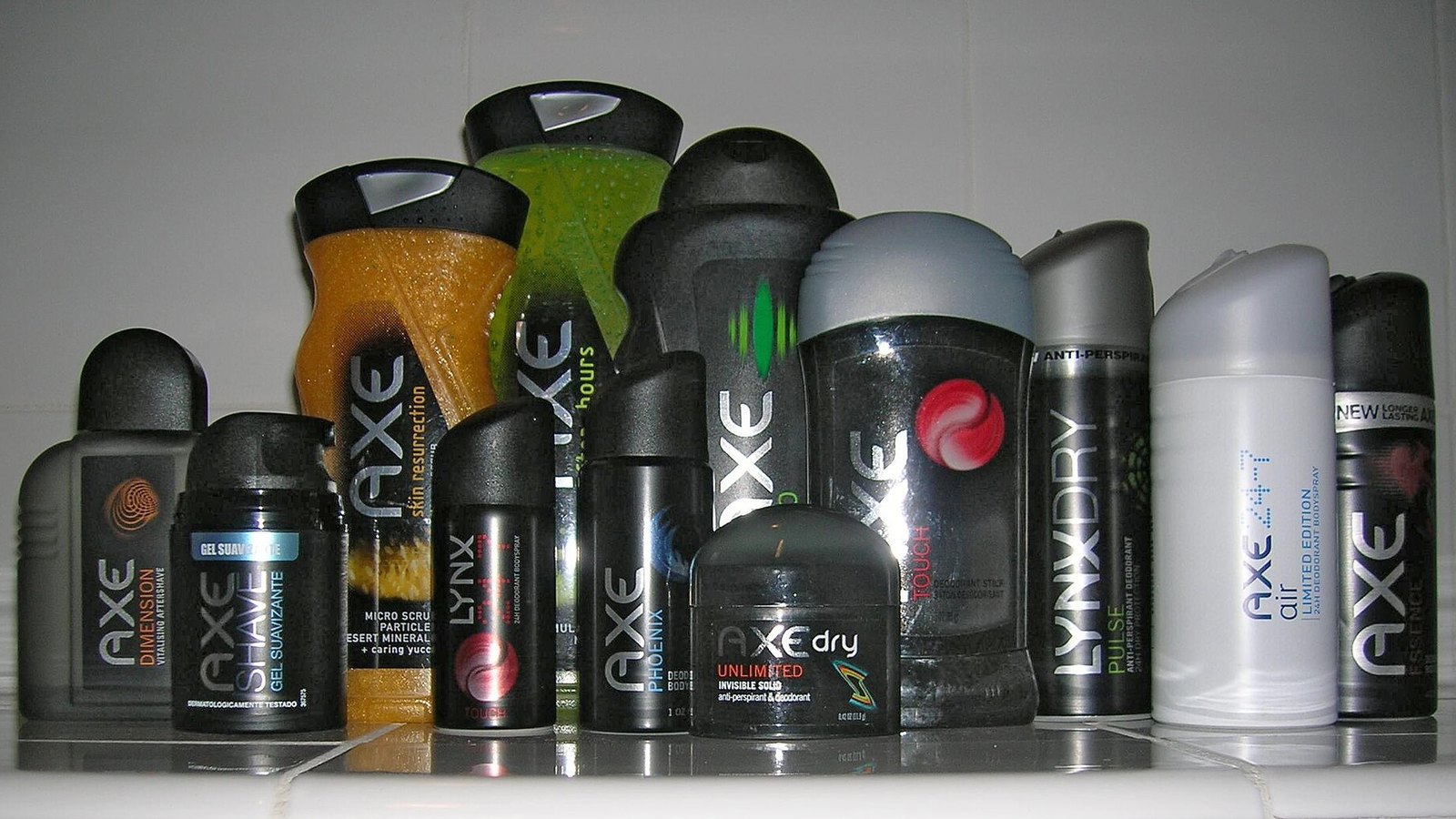
This campaign for Axe Body Spray in Germany was one of the most creative email campaigns of its time, and one of the spammiest. It spread through referrals. A referred user got an email and clicked the link inside it. That link opened a landing page showing a can of Axe Body Spray, and clicking the can played a song and an animation.
Then the emails started.
The user received 15 emails that looked like they came from women. The subject lines ran along the lines of “Hmm… hot computer! But not as hot as you =)” and “Can you do me a favor? Then I can give you my flavor!” The last email said “You just got the AXE EFFECT!”
Why it was so risky
As a viral idea, it was clever and unusual. As email, it was a big gamble. The agency behind it does not seem to have thought about anti-spam law at all, and mailbox providers were very likely to filter the messages or block the IP address sending them.
The old version of this post said the problem was CAN-SPAM. That needs a correction. CAN-SPAM is a US law. A campaign sent to German inboxes fell mainly under German and EU rules, and those are stricter. Section 7 of Germany’s Act Against Unfair Competition (UWG) treats advertising email sent without the recipient’s prior, express consent as an unreasonable nuisance, and German courts apply it with no minimum threshold. Competitors and consumer associations can send warning letters (Abmahnungen) and file claims for injunctions. Since 2018, the GDPR has also covered the personal data behind any email list.
If the same campaign reached US recipients, it would break several CAN-SPAM rules at once, as the FTC’s compliance guide sets them out:
| CAN-SPAM requirement | How the Axe emails compared |
|---|---|
| No false or misleading header information | “From” names posing as women hid the real sender, Axe |
| No deceptive subject lines | Flirty bait lines did not reflect what the message really was |
| Identify the message as an ad | The promotion was only revealed in the final email |
| Include a valid physical postal address | Not described in the campaign |
| Tell recipients how to opt out, and honor it within 10 business days | 15 emails in a row with no described way to stop them |
| You are responsible for what others send on your behalf | Brand and agency both carry the risk |
The money at stake is real. The FTC’s maximum civil penalty is $53,088 for each email that breaks the law. That figure came from the January 2025 inflation adjustment, and the FTC made no adjustment for 2026.
What mailbox providers do with a campaign like this today
Today, mailbox filters do more damage than regulators. They judge the reputation of your sending domain, and that reputation follows the brand from one IP address to the next. If you send 15 unexpected messages from “women” to someone who never signed up, many recipients will press “Report spam”. Each complaint pushes your spam rate toward the limits the big providers now publish:
- Gmail: Google’s email sender guidelines ask every sender to keep the spam rate reported in Postmaster Tools below 0.1% and never let it reach 0.3%. Bulk senders (around 5,000 or more messages a day to personal Gmail accounts) also need SPF, DKIM, DMARC alignment and one-click unsubscribe for marketing mail. Since November 2025, Gmail has answered non-compliant mail with temporary and permanent rejections.
- Yahoo: Yahoo’s Sender Hub uses the same 0.3% complaint ceiling. It enforced authentication from February 2024 and one-click unsubscribe from June 2024, with unsubscribes honored within two days.
- Microsoft: Outlook.com started enforcing similar authentication rules for high-volume senders in May 2025.
In short, a campaign built on surprise and disguise would probably be filtered or rejected before most people ever reached the punchline.
Do the benefits outweigh the risks
They did not in this case, and the case against it is even stronger now. People who chose to click the spray can did get a memorable payoff. The real buzz came from people sharing a video about the campaign, not from the emails themselves. You can get that same shareable moment with very little risk. Ask people to opt in on the landing page, send the sequence from a clearly named Axe address, keep it short, and put an unsubscribe link in every message.
The brand has moved on as well. In 2016, Axe launched its “Find Your Magic” platform with the agency 72andSunny and stepped away from the seduction theme the old campaign relied on.
Check out the video here.
FAQ
Is a refer-a-friend or tell-a-friend email legal?
It can be, but the brand is usually responsible for the message. The FTC’s CAN-SPAM guide says that if you offer people something in exchange for forwarding your message, you may be treated as the sender, so the email must follow every CAN-SPAM rule. Under Germany’s UWG, an email to someone who never consented to hearing from you is risky even when a friend entered their address.
Can you use a fake or playful “From” name in marketing email?
No. CAN-SPAM bans false or misleading header information, and the “From” line is part of the header. You can use a person’s name, such as “Anna at Axe”, as long as recipients can clearly tell which business sent the message.
What spam complaint rate gets you in trouble with Gmail and Yahoo?
Both providers set 0.3% as the line you must never cross. Google tells senders to stay below 0.1%, which is about one complaint per 1,000 messages. Gmail calculates the rate daily, and a sender has to stay under 0.3% for seven days in a row before it can ask for mitigation.
Does CAN-SPAM apply to campaigns sent from Europe?
CAN-SPAM covers commercial email sent to recipients in the US, wherever the sender is based. Mail to European inboxes falls under national laws such as Germany’s UWG, the EU ePrivacy rules and the GDPR, and these generally require prior consent. If you send to both regions, design the campaign for the stricter EU rules.
Can creative or edgy email campaigns still work today?
Yes, as long as the creativity is in the content and not in disguising who sent it or why. Campaigns that people opt into, that come from a clearly named sender and that are easy to leave can be just as playful. They also protect the domain reputation your regular newsletters rely on.
Sources
- Google Workspace Admin Help: Email sender guidelines and the Email sender guidelines FAQ
- Yahoo Sender Hub: Sender Best Practices and FAQs
- Federal Trade Commission: CAN-SPAM Act, A Compliance Guide for Business
- Federal Trade Commission: Inflation-adjusted civil penalty amounts (2025) and the 2026 notice of no adjustment
- Germany’s Act Against Unfair Competition (UWG), Section 7, as summarised in IHK (German Chambers of Commerce and Industry) guidance on email advertising